Deity Meaning: What Does Deity Mean?
Quick Answer
Deity means a god or goddess — a supernatural being believed to have authority over some aspect of the universe or life, and generally regarded as sacred and worthy of worship. Male deities are called gods; female deities are called goddesses. Capitalized as “the Deity,” it refers to the Supreme Being — God.
- Part of speech: Noun (plural: deities)
- Pronunciation: DEE-i-tee
- Root: Latin deus (“god”)
- Register: Formal — the neutral, academic term for gods across religions
What Does Deity Mean?
A deity is a god or goddess — a supernatural being believed to create, control, or hold authority over some part of the universe or human life, and typically worshipped as sacred.
Scholars define it a few complementary ways:
- A spirit or being believed to have created or to control some part of the universe or life, for which it is worshipped.
- A being with powers greater than ordinary humans, who interacts with humans in ways that lift them beyond everyday concerns.
- Anything revered as divine — the word stretches to cover whatever a culture holds sacred.
Why the word matters: deity is the neutral, umbrella term. Saying “the Greek deities” or “Hindu deities” lets you discuss gods across religions without adopting any one tradition’s vocabulary.

Pronunciation
Deity is pronounced DEE-i-tee — three syllables, stress on the first. The plural deities is pronounced DEE-i-teez.
Common misspelling: “diety” — remember, it follows the “e before i” pattern from dei-ty.
Etymology
- Proto-Indo-European *dei- — “to gleam, shine” (the shining sky)
- → *deiwos — “god, celestial being”
- → Latin deus — “god” → deitās — “divinity, godhood”
- → Old French deité → Middle English deite (1300s) → deity
The same ancient root gave us Sanskrit deva (“god”), Latin dies (“day”), and divine — the gods were, linguistically, “the shining ones.”
Deity vs God vs Goddess vs Divinity
| Term | Meaning | Usage note |
|---|---|---|
| Deity | A god or goddess (either) | Neutral, formal, academic — works across all religions |
| God | A male deity; or (capitalized) the Supreme Being | “God” = the one God of monotheism; “god” = any male deity |
| Goddess | A female deity | Used across traditions |
| Divinity | The quality of being divine; or a deity | More abstract |
| Godhead | The essence or nature of God | Theological term, mainly Christian usage |
How Religions Relate to Deities
Religions are often categorized by how many deities they recognize:
- Monotheism: one deity — e.g., Judaism, Christianity, Islam.
- Polytheism: many deities — e.g., ancient Greek, Roman, Egyptian, Norse religions; Hinduism (in most interpretations).
- Henotheism: one supreme deity acknowledged alongside others.
- Nontheistic religions: deny a supreme eternal creator, but may accept a pantheon of deities — e.g., some Buddhist traditions.
Important nuance: these are scholarly categories, and real religions are often more complex than any single label.
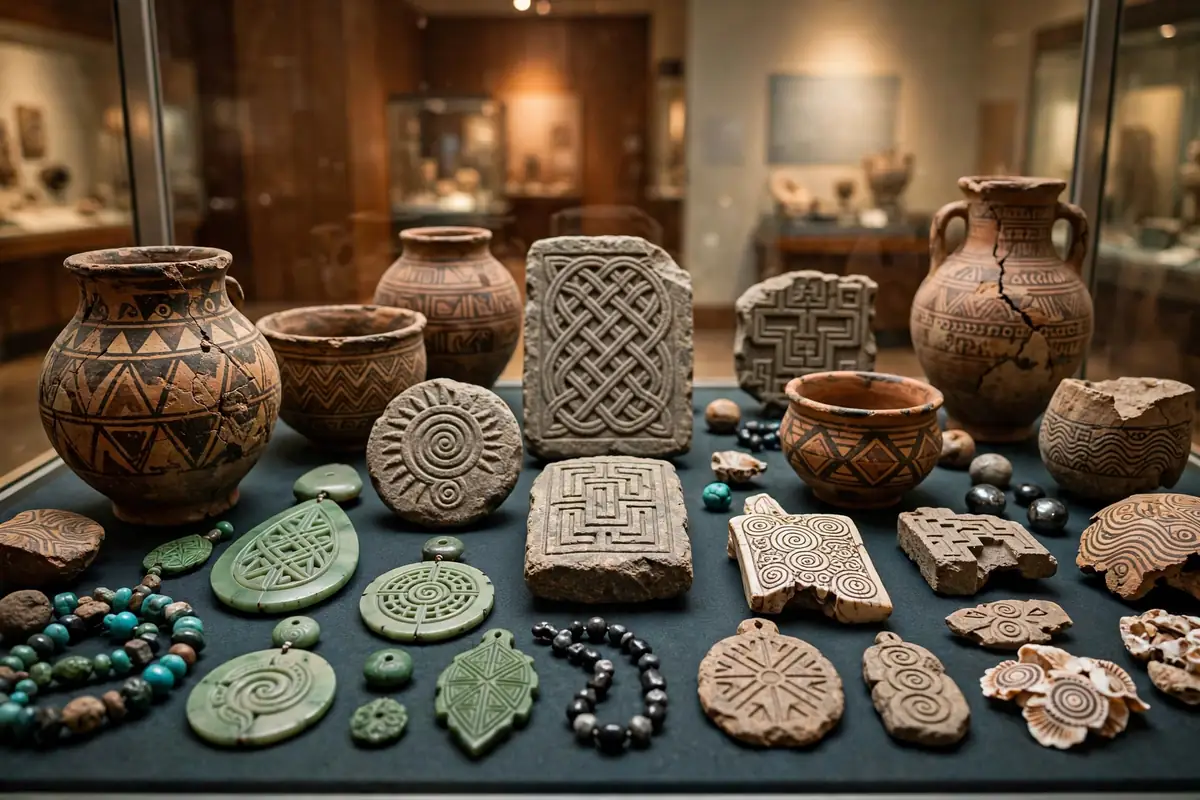
Deities Across Cultures
A brief, neutral survey of how different traditions have conceived deities:
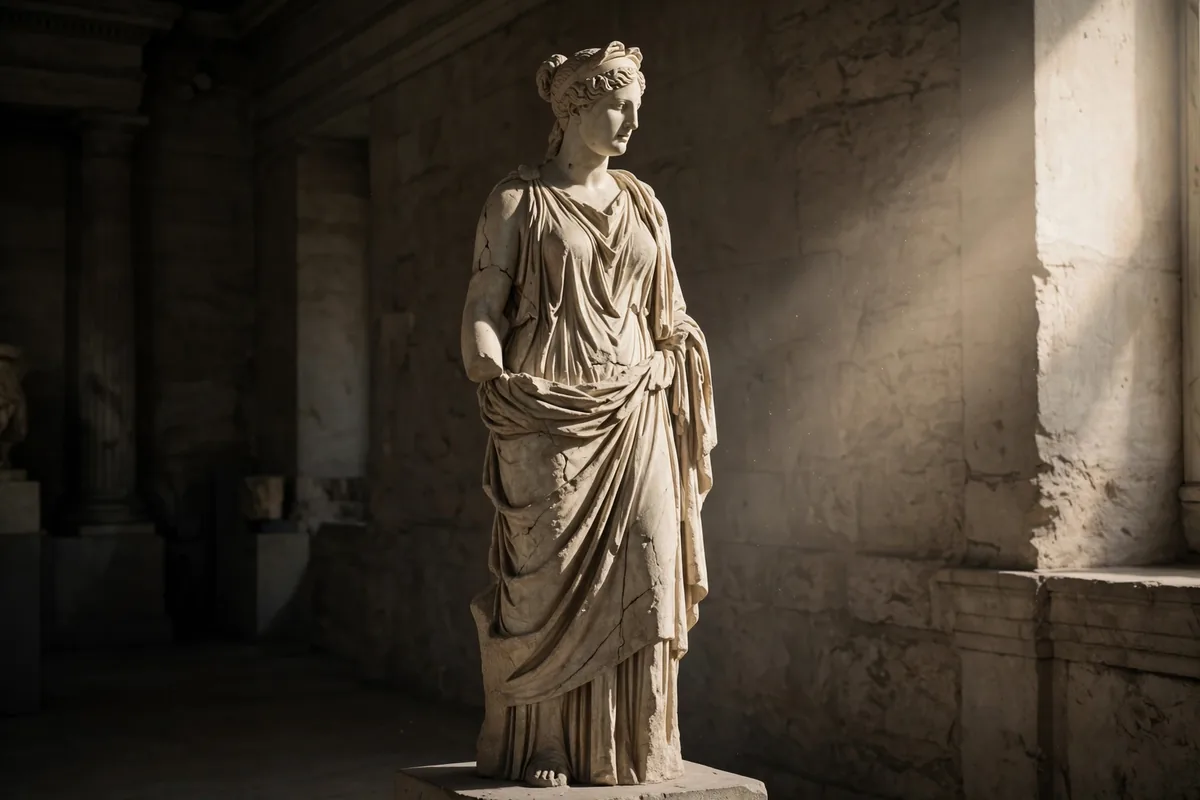
- Ancient Mesopotamia, Egypt, Greece, Rome: deities personified natural forces — sky, sea, sun, war, love — often depicted in human-like form.
- Hinduism: a vast tradition with many deities, frequently understood as diverse expressions of one ultimate reality.
- Norse and Germanic traditions: deities like Odin, Thor, and Freyja — powerful but mortal.
- Yoruba, Shinto, Maya, Inca: rich pantheons deeply tied to nature, ancestors, and community life.
- Monotheistic traditions: a single, transcendent deity — creator and sustainer of the universe.
Famous Deities: A Quick Reference
Some of history’s most widely recognized deities, by tradition:
| Tradition | Well-known deities | Known for |
|---|---|---|
| Greek | Zeus, Athena, Apollo, Artemis | Sky, wisdom, sun/music, hunt |
| Roman | Jupiter, Minerva, Mars, Venus | Often paired with Greek counterparts |
| Egyptian | Ra, Isis, Osiris, Anubis | Sun, magic/motherhood, afterlife, mummification |
| Norse | Odin, Thor, Freyja, Loki | Wisdom, thunder, love, trickery |
| Hindu | Vishnu, Shiva, Lakshmi, Durga | Preservation, transformation, prosperity, strength |
| Mesopotamian | Anu, Enlil, Ishtar | Sky, wind/storms, love and war |
| Shinto | Amaterasu, Susanoo | Sun, storms and sea |
A note on respect: many of these deities are actively worshipped today. The word “mythology” can feel dismissive to believers; “tradition” or “religion” is the safer, more respectful term.
Capitalized: “The Deity”
When capitalized — “the Deity” — the word means the Supreme Being; God. It’s a formal, slightly philosophical way to refer to God without using a tradition-specific name.
- Common in theology, philosophy, and formal writing.
- Similar in function to “the Divine,” “the Almighty,” or “Providence” — reverent but non-sectarian.
Deity in Everyday Language
Beyond religion, deity appears in metaphor and idiom:
- “A person or thing revered as a god”: “a society in which money is the only deity” — anything worshipped with religious intensity.
- “The estate or rank of a god”: “the king attained deity after his death” — deification, the elevation of a human to divine status.
- Pop culture: video games, fantasy novels, and films use “deity” for supremely powerful beings.
- Academic writing: “deity” remains the default term in religious studies, archaeology, and art history.
Deity in Philosophy and Theology
Beyond worship, the concept of deity has been debated for millennia:
- Classical attributes: omnipotent, omniscient, omnipresent, omnibenevolent, eternal — though scholars note none of these are essential to the bare definition of “deity.”
- The problem of evil: how an all-good, all-powerful deity coexists with suffering — one of theology’s deepest debates.
- Personal vs. impersonal: some traditions conceive the deity as a personal being; others as an impersonal ultimate reality.
The takeaway: “deity” is a big tent — from a thunder god with a hammer to an abstract ultimate reality. The word’s power is its breadth.
Frequently Asked Questions
What does deity mean?
A god or goddess — a supernatural being believed to have authority over some aspect of the universe or life, regarded as sacred and worthy of worship.
How do you pronounce deity?
DEE-i-tee — stress on the first syllable. (Not “diety.”)
What is the difference between a deity and a god?
Deity is the neutral umbrella term; god usually means a male deity (or, capitalized, the Supreme Being).
What is a female deity called?
A goddess.
What does “the Deity” (capitalized) mean?
The Supreme Being; God — a formal, non-sectarian way to refer to God.
Where does the word deity come from?
Latin deus (“god”), from an ancient root meaning “to shine”.
What is the plural of deity?
Deities.
What is monotheism vs polytheism?
Monotheism = belief in one deity; polytheism = belief in many deities.
Source: Definitions cross-checked against leading dictionaries and encyclopedias. For the full encyclopedia entry, see Wikipedia’s article on deity.