Aww Meaning: What Does “Aww” Mean?
Quick Answer
“Aww” is an exclamation showing affection, cuteness, or sympathy — the sound you make at something adorable (“Aww, look at that puppy!”) or when someone needs comfort (“Aww, I’m so sorry.”). More w’s = more emotion.
- Core: Cuteness, warmth, sympathy
- Pronounced: “aw” (/ɔː/) — one soft syllable
- Spelling: aw → aww → awwww (stronger feeling)
- Not: “awe” (wonder/reverence) — different word
What Does “Aww” Mean?
Oxford Learner’s Dictionary: used to express approval of something particularly attractive and pleasant — “Aww, look at how cute that lamb is!”
Plain version: a written imitation of a natural human sound — the soft “aww” that escapes when something melts your heart.
The function: emotional signaling — telling others (and yourself) “I feel warmth right now.”

When People Say It
- Cuteness: “Aww, that puppy is adorable!”
- Warmth: “Aww, thank you — that’s so sweet.”
- Sympathy: “Aww, I’m sorry you’re going through that.”
- Comfort: “Aw, come here, honey. What’s wrong?”
- Disappointment: “Aw man, the picnic’s cancelled.”
- Shyness: “Aw shucks, you’re gonna make me blush.”
- Romance: “Aww, he planned the whole date!”
- Nostalgia: “Aww, look at us back then.”
Why the Extra W’s? The Spelling Scale
| Spelling | Tone | Example |
|---|---|---|
| Aw | Mild sadness/disappointment | “Aw, that’s too bad.” |
| Aww | Warm, cute, sweet | “Aww, adorable!” |
| Awww | Strong affection | “Awww, I love this!” |
| Awwwwww | Overwhelming emotion | “Awwwwww 😭” |
The rule: letter repetition = intensity. This applies across internet language — “nooo,” “yesss,” “sooo.”
Aww vs Aw vs Awe
| Aww | Aw | Awe | |
|---|---|---|---|
| Meaning | Affection, cuteness | Disappointment, sympathy | Wonder, reverence |
| Example | “Aww, so cute!” | “Aw man!” | “in awe of nature” |
| Vibe | Warm | Soft | Grand |
| Origin | Sound imitation | Sound imitation | Old Norse agi (fear) |
Don’t confuse: “aww” and “awe” sound similar but mean completely different things.
The Psychology of “Aww”
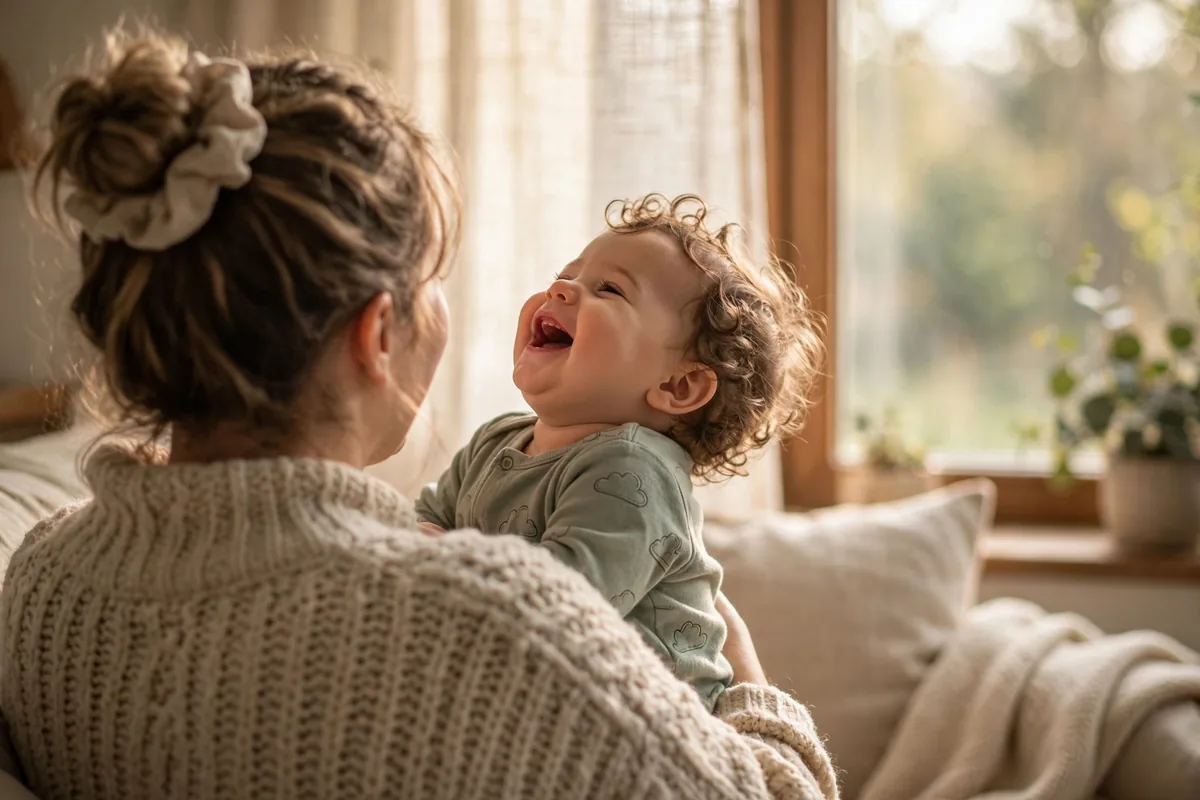
- Cute response: baby schema (Kindchenschema) — big eyes, round faces trigger caregiving instincts.
- Oxytocin: cute things release the “love hormone” — “aww” is its soundtrack.
- Social bonding: saying “aww” together synchronizes emotion — shared warmth.
- Stress relief: cute content measurably reduces stress — “aww” marks the moment it works.
The psychology runs deeper than preference — it is wiring. Konrad Lorenz called the trigger “Kindchenschema,” the baby schema: big eyes, round cheeks, and small noses activate caregiving circuits in the adult brain. Cute images light up the same reward centers as food and love, and the “aww” escapes as the audible signature of oxytocin at work. Saying it together synchronizes the feeling.
In Texting & Social Media
- Everywhere: WhatsApp, Instagram comments, TikTok captions, Snapchat.
- Reply to compliments: “You look great!” → “Awww, thanks!”
- Not an acronym — it doesn’t stand for anything.
- Pairings: 🥺 😭 ❤️ 🥰 — emoji amplify the aww.
- How to reply: a heart emoji, “right?!”, or return the warmth.
Texting changed the word’s spelling more than its meaning. Without tone of voice, writers needed a visual way to show intensity, so w-multiplication became a precision instrument: two w’s for polite warmth, four for genuine melting, seven for happy tears. Emoji pairings sharpen it further — 🥺 for pleading cuteness, 😭 for happy overwhelm, ❤️ for plain love.
Aww in Pop Culture
- r/aww: Reddit’s massive cute-content community — millions of members.
- “Awwwards”: play on “awards” — celebrating the adorable.
- Marketing: brands weaponize aww — cute mascots sell.
- “Aw shucks”: the classic humble-brag response — midwestern charm.
History of “Aww”
- Natural sound: humans have made soft “aw” sounds at babies for millennia — pre-linguistic.
- Written form: comics and novels rendered it as “aw” or “aww” in the 20th century.
- Internet: digital communication standardized “aww” and invented the w-escalation.
- Global: similar sounds exist worldwide — Japanese “kawaii” culture has its own vocabulary.
Humans have likely made “aw” sounds at babies for as long as there have been babies — it is pre-linguistic, closer to a coo than a word. Comics and novels of the 20th century were the first to pin it down in print, usually as “aw.” The internet then standardized “aww” as the default and invented the w-escalation, turning a sound into a scalable emotional instrument. It is one of the rare words that grew more expressive as it went digital.
Linguistics of “Aww”
- Interjection: grammatical category for emotion words — oh, wow, ouch, aww.
- Onomatopoeia-adjacent: imitates a natural vocalization rather than describing.
- Lengthening: expressive lengthening (awww) is systematic in digital English.
- No plural: you can’t have “awws” — it’s pure exclamation.
Aww Situational Guide
| Situation | Aww Level | Example |
|---|---|---|
| Cute animal | Awww | “Awww, look at those paws!” |
| Compliment received | Aww | “Aww, thank you!” |
| Someone’s sad | Aw | “Aw, I’m sorry.” |
| Proposal video | Awwwwww | “Awwwwww 😭😭” |
| Mild disappointment | Aw | “Aw, dang.” |
Is “Aww” Gendered?
- Stereotype: women say “aww” more — cultural expectation of nurturing.
- Reality: everyone feels cute-response — men say it too, often privately.
- Internet: anonymity equalizes — r/aww is all genders.
- Verdict: universal human sound — own your aww.
Aww Quick Facts
| Fact | Detail |
|---|---|
| Word | Aww (interjection) |
| Means | Affection, cuteness, sympathy |
| Pronounced | “Aw” — one syllable |
| Scale | aw → aww → awww (stronger) |
| Not | “Awe” (wonder) — different word |
| Acronym? | No — it’s a sound |
Aww + Emoji Combinations
| Combo | Meaning |
|---|---|
| Aww 🥺 | Pleading cuteness — melting |
| Aww 😭 | Overwhelmed — happy tears |
| Aww ❤️ | Love — warm affection |
| Aww 🥰 | Adoration — smitten |
| Aw 😔 | Sympathy — gentle sadness |
Common Aww Mistakes
- “Awe” for “aww”: “Awe, cute!” — wrong word (awe = wonder).
- Too formal: don’t use “aww” in professional emails.
- Overuse: every message doesn’t need awww — dilutes impact.
- Wrong tone: “aww” at bad news can seem dismissive — read the room.
The Bottom Line on “Aww”
“Aww” — the sound of a melting heart:
- Means: affection, cuteness, sympathy
- Scale: more w’s = more feeling
- Universal: everyone’s allowed to aww
Aww — you made it to the end!
The Science of Cute
- Kindchenschema: Konrad Lorenz’s “baby schema” — big eyes, round cheeks trigger care.
- Brain: cute images activate reward centers — same as food, love.
- “Cute aggression”: “I want to squeeze it!” — overwhelming cuteness triggers playful aggression.
- Productivity: looking at cute animals improves focus — Hiroshima University study.
The science of cute keeps delivering surprises. Hiroshima University researchers found that looking at cute animal images measurably improves focus and carefulness on later tasks. “Cute aggression” — the urge to squeeze something adorable — turns out to be the brain’s way of regulating overwhelming positive emotion. Even conservation benefits: cute species attract more funding, meaning the “aww” response literally saves lives.
Aww Around the World
- Japanese: “kawaii!” — the global cute capital.
- Spanish: “¡qué mono!” or “¡qué lindo!”
- French: “trop mignon!” — too cute.
- Korean: “귀여워” (gwiyeowo) — cute.
- Universal: the sound of melting hearts needs no translation.
The Future of “Aww”
- Here to stay: interjections rarely die — “aww” is permanent.
- Evolving: new spellings, new emoji pairings.
- Universal: as global as smiles.
Quick Aww Quiz
- Puppy video → Awww!
- Cancelled plans → Aw man.
- Surprise party → Awwwwww 😭
- Someone’s grieving → Aw, I’m sorry.
Aww in Nature
- Baby animals: evolution designed them cute — care ensures survival.
- Pets: dogs evolved “puppy eyes” specifically for humans.
- Conservation: cute species get more funding — the “aww” effect saves lives.
Daily Aww Practice
- Notice one cute thing daily — mindfulness through adorableness.
- Share the aww — send that puppy pic.
- Say it out loud — vocalizing amplifies joy.
Aww Glossary
- Aw: mild — disappointment, sympathy.
- Aww: standard — warmth, cuteness.
- Awww+: intense — overwhelming emotion.
- Aw shucks: humble — bashful gratitude.
Frequently Asked Questions
What does “aww” mean?
“Aww” is an exclamation of affection, cuteness, or sympathy — the written form of the soft sound people make when something melts their heart. It signals “I feel warmth right now,” covering cuteness (“Aww, look at that puppy!”), gratitude (“Aww, thank you!”), and comfort (“Aww, I’m so sorry.”).
How do you pronounce aww?
It is pronounced “aw” — a single soft syllable, like a gentle sigh, rhyming with “saw” or “law.” The extra w’s are silent; in writing they signal stronger feeling, while in speech the intensity comes from tone of voice.
Why do people write “awww” with extra w’s?
Letter repetition is internet shorthand for emotional intensity: “aw” is mild, “aww” is warm, “awww” is strong affection, “awwwwww” is overwhelming emotion — the same rule behind “nooo” and “yesss.” There is no official cutoff; writers add w’s until the spelling matches the feeling.
Aww vs awe — what’s the difference?
They sound almost identical but are completely different words: “aww” expresses affection or sympathy, while “awe” means wonder or reverence (“in awe of nature”). “Awe” traces back to Old Norse “agi” (fear); “aww” is just a natural human sound written down.
Is aww an acronym?
No — it doesn’t stand for anything. “Aww” is a vocalization captured in writing, like “oh” or “wow.” Its spelling varies because there was never a “correct” form, only people approximating a sound — which is why the w-escalation feels natural rather than wrong.
Can guys say aww?
Yes — the cute response is a universal human reflex, not a gendered one. Stereotypes associate “aww” with women and nurturing, but everyone is wired to melt at big eyes and round faces. Online anonymity has largely erased the difference — own your aww.
What should I reply to “aww”?
Match the warmth: a heart emoji, “right?!”, or a returned compliment all work. For a sympathetic “aww” (“Aww, I’m sorry”), a simple “thanks, I appreciate that” acknowledges the care. There is no formal etiquette — the only wrong reply ignores the feeling offered.
Is “aww” formal or informal?
Thoroughly informal. It belongs in texts, social media, and casual speech — not essays, professional emails, or formal writing. Fine among friendly colleagues, but keep it out of client-facing communication; like most interjections, its charm depends on the setting.
Is “aww” in the dictionary?
Yes. Major dictionaries, including Oxford, list “aww” (and “aw”) as an exclamation of approval or sympathy. Dictionary recognition doesn’t make it formal — plenty of slang earns entries — but it confirms the word is established English, not a typo.
Can “aww” be sarcastic?
Yes — tone and context decide everything. A drawn-out “awww, poor baby” aimed at an adult’s minor complaint is mockery, not warmth. Sarcastic “aww” usually comes with exaggerated spelling or a knowing emoji; sincere “aww” is simpler.
Do other languages have “aww”?
The cute response is universal, and most languages have their own version. Japanese has “kawaii!”; Spanish speakers say “¡qué mono!” or “¡qué lindo!”; French speakers exclaim “trop mignon!” English-language internet has also spread “aww” itself globally.
Why do we say “aww” instead of just smiling?
Vocalizing shares the feeling — saying “aww” out loud synchronizes emotion with the people around you, making a private reaction social. Cute content measurably reduces stress, and voicing the reaction amplifies the effect. A smile is seen; an “aww” is heard and felt.
Source: For the dictionary definition, see Wikipedia’s article on cuteness.