Peckish Meaning: What Does Peckish Mean?
Quick answer: Peckish means slightly hungry — not starving, just hungry enough to want a snack. It’s a British informal adjective, pronounced /ˈpɛkɪʃ/ (PEK-ish), built from the verb peck (what birds do with their beaks) plus -ish: literally “inclined to peck at food.” First recorded around 1785, it also carries an older second sense — rather irritable — the great-grandparent of today’s “hangry.”
In this article

What Does Peckish Mean?
Peckish is an adjective with two senses, one famous and one nearly forgotten:
1. Somewhat hungry — the everyday meaning. If you’re peckish, you’re a little bit hungry: not ready for a full meal, but definitely ready to raid the biscuit tin. “By noon we were feeling a bit peckish” is the classic usage. The word paints hunger as gentle and manageable — the polite British way of admitting your stomach is rumbling.
2. Rather irritable — the older, faded sense. In 18th- and 19th-century use, “peckish” could describe someone out of sorts or peevish, often because they were hungry. This meaning has mostly died out as a standalone sense, but it lives on inside the logic of the word: hunger makes people cranky, and “peckish” always knew it.
Notice how perfectly the word fits its meaning. “Peckish” sounds small and nibbling — nothing about it suggests a feast. It’s hunger with its edges softened, which is exactly why the British adopted it so warmly.
The “-ish” suffix does a lot of quiet work here. English uses “-ish” to hedge almost anything — “tallish,” “greenish,” “seven-ish” — and in “peckish” it hedges hunger itself. The suffix turns a bodily need into a suggestion, which is the whole trick of the word: it lets you announce an appetite while pretending it’s barely worth mentioning.
How Do You Pronounce Peckish?
/ˈpɛkɪʃ/ — PEK-ish, rhyming with “heckish” or the first half of “reckless.” Stress the first syllable hard; the second is a quick unstressed “ish.” There’s no meaningful UK/US difference in pronunciation here — both say it the same way, which is part of why Americans who pick it up from British TV sound instantly natural saying it.
Where Did Peckish Come From?
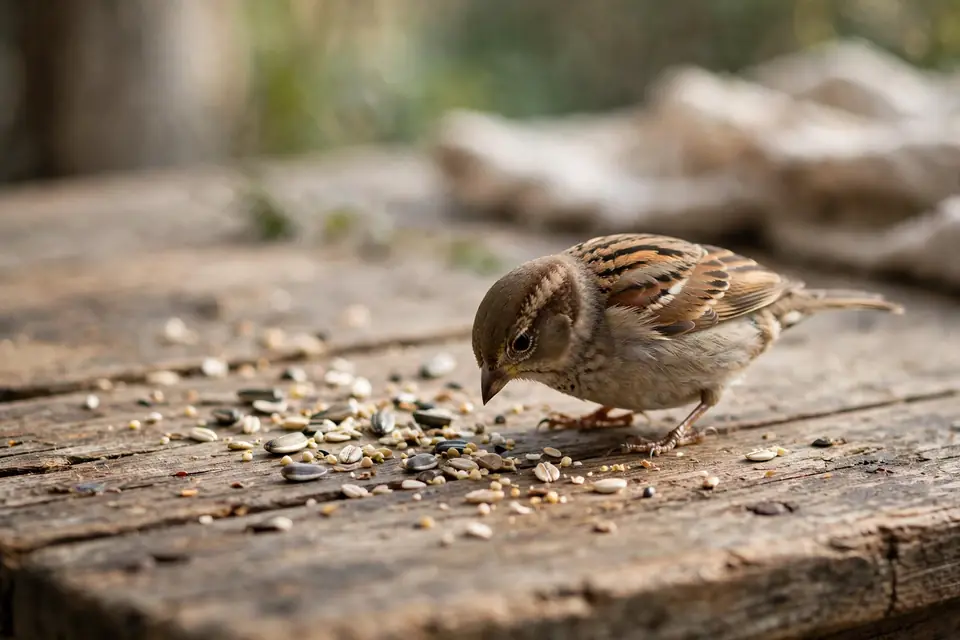
The recipe is simple: peck + -ish. The verb “peck” describes what birds do with their beaks — quick, light, repeated bites — and the suffix “-ish” means “somewhat” or “inclined to.” So “peckish” is literally “inclined to peck,” i.e., hungry in the nibbling, bird-like way rather than the devouring way. First recorded in English around 1775–1785, it grew out of the image of someone picking at food instead of eating properly.
But there’s a deeper root. Middle English had pekish, meaning “ill” or “sickly” — and the OED pushes related uses back to the early 1700s. The likely bridge: feeling unwell and feeling hungry-ish were neighboring sensations, and a person “pecking” at their food looked a little sickly. Over time the “sickly” sense drained away, the “slightly hungry” sense stayed, and the “irritable” sense survived as a fossil of the connection between an empty stomach and a short temper.
There’s a quiet irony in it: a word that once meant “sickly” now names one of life’s most cheerful minor pleasures — the approach of a good snack.
The Hunger Scale: Peckish vs Hungry vs Famished
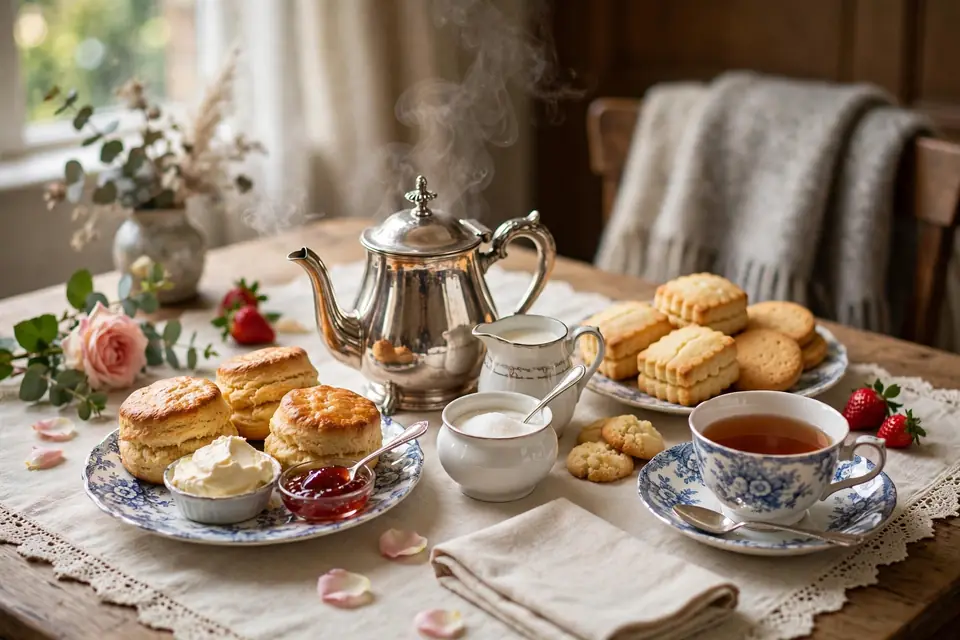
English has a whole gradient for hunger, and “peckish” sits at the gentle end:
| Word | Hunger level | What you want | Tone |
|---|---|---|---|
| Peckish | 2/10 — a whisper of hunger | A biscuit, a handful of crisps | Light, polite, slightly playful |
| Hungry | 5/10 — standard hunger | A proper meal | Neutral, factual |
| Famished | 9/10 — dramatic hunger | Everything in sight | Exaggerated, humorous |
| Starving | 10/10 — theatrical | “I could eat a horse” | Hyperbole (usually) |
| Hangry | Hunger + anger | Food, immediately, or else | Modern slang, self-aware |
“Peckish” is the only word on the scale that downplays hunger rather than amplifying it. Saying “I’m starving” when you skipped lunch is drama; saying “I’m a bit peckish” when you’re genuinely hungry is understatement — the classic British move of making everything sound smaller than it is.
Peckish vs Hangry
Hangry (hungry + angry, coined in the 1990s, mainstream by the 2010s) is “peckish’s” loud American grandchild — and the family resemblance is uncanny. Remember that “peckish” once meant both slightly hungry and slightly irritable. “Hangry” simply split those two old senses apart and bolted them back together as a portmanteau.
The difference is attitude:
- Peckish is self-deprecating and charming — it makes hunger sound cute.
- Hangry is a warning label — it makes hunger sound dangerous.
A Briton says “I’m a bit peckish” to invite sympathy and possibly cake. An American says “I’m getting hangry” to warn everyone within earshot. Same stomach, different public relations strategy. Linguistically, “hangry” finished a job “peckish” started 250 years ago: admitting, out loud, that hunger has a mood.
British vs American Usage
In Britain, “peckish” is everyday vocabulary — as natural as “cuppa” or “brilliant.” It appears in offices at 4pm (“Anyone else feeling peckish?”), in pubs, in parenting (“have a banana, you must be peckish”). It’s warm, informal, and completely unselfconscious.
In America, it was rare until recently. Americans historically said “a little hungry” or “snacky” — “peckish” sounded like costume drama. But British TV changed that: Ted Lasso, The Crown, The Great British Bake Off, and a thousand cozy mysteries smuggled the word across the Atlantic. Younger Americans now drop “peckish” deliberately, enjoying its Anglophile charm the way they enjoy saying “cheers” instead of “thanks.”
The word’s journey mirrors a broader pattern: British understatement words (“brilliant,” “lovely,” “quite”) keep colonizing American casual speech, because they let speakers sound enthusiastic without sounding too enthusiastic.
Interestingly, the migration runs mostly one way. Americans adopt “peckish” as a conscious style choice — a little Anglophile badge — while Britons use it without thinking at all. That asymmetry is typical of borrowed charm words: in the donor country they’re invisible; in the borrowing country they’re delightful. The same dynamic once carried “cheers,” “mate,” and “brilliant” across the Atlantic, and “peckish” is simply the latest passenger.
When to Use Peckish (and When Not To)
“Peckish” is informal but not slang — it sits in the friendly middle register. Here’s a practical guide:
| Use it when… | Avoid it when… |
|---|---|
| Chatting with friends or colleagues (“a bit peckish, anyone?”) | Writing formally — reports, essays, business emails |
| Hinting politely that you’d like food | You’re genuinely very hungry (“famished” or “starving” fits) |
| Talking to British friends (instant rapport) | Talking to someone unfamiliar with the word — it may confuse |
| Writing dialogue for a British character | Describing animals (say “pecking,” not “peckish”) |
The golden rule: “peckish” charms when the hunger is small and the company is casual. Deploy it at 4pm in an office and you’ll get smiles; deploy it in a board meeting and you’ll get stares. Like all understatement, it works best when everyone understands the game — that “a bit peckish” might actually mean “quite hungry indeed.”
Examples in Sentences
- Classic British: “What time is lunch? I’m getting a bit peckish.”
- Office: “It’s only 4pm and I’m already feeling peckish — anyone fancy a biscuit run?”
- Parenting: “Have an apple; you must be peckish after football.”
- Polite hint: “I’m feeling a little peckish — shall we grab something on the way?”
- The old irritable sense: “He’s always a bit peckish after his nap.” (He’s cranky, not hungry — 19th-century usage.)
- American adoption: “I binged three seasons of Bake Off and now I say ‘peckish’ like I was born in Yorkshire.”
Note the near-obligatory “a bit” / “a little” that travels with it: “a bit peckish” is the full idiom. Saying “I’m peckish” bare sounds slightly off to British ears — the hedge is part of the charm.
Frequently Asked Questions
What does peckish mean?
Slightly hungry — hungry enough for a snack but not a meal. It’s a British informal adjective. An older second sense means “rather irritable.”
How do you pronounce peckish?
PEK-ish (/ˈpɛkɪʃ/), stress on the first syllable, rhyming with “heckish.”
Where does the word peckish come from?
From the verb peck (birds pecking at food) + -ish (“inclined to”), first recorded around 1785. A related Middle English word pekish meant “ill, sickly.”
Is peckish British or American?
British in origin and still most natural there, but it’s increasingly used by Americans — largely thanks to British TV shows like Ted Lasso and The Great British Bake Off.
What’s the difference between peckish and hungry?
Peckish is mild, snack-level hunger with a playful tone; hungry is the neutral, general word for needing food.
Is peckish the same as hangry?
No — peckish is gentle hunger (charming), while hangry is hunger-turned-anger (a warning). But they’re related: “peckish” once meant both slightly hungry and slightly irritable.
Can peckish mean irritable?
In older usage, yes — “rather irritable” is a recorded second sense. In modern speech it’s almost always about hunger, though the crankiness is implied.
What is the opposite of peckish?
Full, satiated, or stuffed — or, at the other end of the hunger scale, famished.
Is “a bit peckish” correct grammar?
Yes — it’s the standard idiom. The “a bit” hedge is part of the phrase’s British understatement; “I’m a bit peckish” sounds more natural than bare “I’m peckish.”
What are synonyms for peckish?
Snacky, a little hungry, peckish-eyed (rare); the hunger-scale neighbors are hungry (stronger) and famished (much stronger).
Why do British people say “peckish” instead of “hungry”?
It’s understatement as politeness — saying “a bit peckish” admits hunger without sounding demanding or greedy. British conversational culture favors softening direct needs, and “peckish” does exactly that.
Is peckish formal or informal?
Informal but not slang. It’s fine with friends, family, and colleagues, but you’d avoid it in formal writing, business reports, or academic essays.
Source: For the full definition, pronunciation, and peck + -ish etymology, see Dictionary.com’s entry on “peckish”.