
Yellow Eyes Meaning
Quick answer: Yellow eyes most often mean jaundice — yellowing of the whites of the eyes (the sclera) caused by a buildup of bilirubin, a yellow pigment produced when old red blood cells break down. Because the liver normally processes bilirubin, yellow eyes usually point to something affecting the liver, gallbladder, bile ducts, or blood, rather than to the eyes themselves. Yellow eyes are a sign to get checked promptly, not a diagnosis on their own. In symbolism and art, yellow eyes can also suggest sickness, supernatural power, or danger — but in real life, the medical meaning comes first.
In this article
- What Do Yellow Eyes Mean?
- Bilirubin: Why the Eyes Turn Yellow
- Common Causes of Yellow Eyes
- When Yellowing Is Not Jaundice
- Other Symptoms That May Appear
- Yellow Eyes in Newborns
- When to See a Doctor Promptly
- How Doctors Find the Cause
- Yellow Eyes in Symbolism and Stories
- Myths About Yellow Eyes
- Frequently Asked Questions
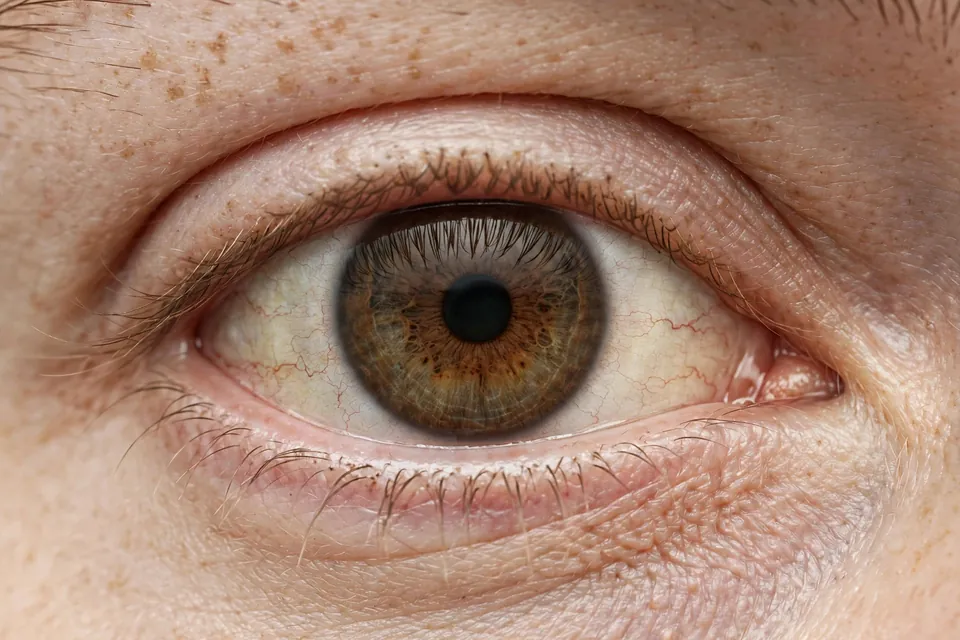
What Do Yellow Eyes Mean?
Healthy eyes have whites — the sclera — that look white or very slightly off-white. When the sclera takes on a yellow tint, doctors call it scleral icterus, and it is the most visible early sign of jaundice. Jaundice is not a disease in itself; it is a sign that something has disturbed the way the body handles bilirubin, and it deserves attention even when the person otherwise feels well.
The key point is the direction of the clue. Yellow eyes rarely mean the eyes are diseased. The eyes are simply where the change shows first, because the sclera’s elastic tissue binds bilirubin readily and because the contrast against white is easy to see. The underlying issue is usually elsewhere — in the liver, the bile ducts, or the blood — which is why a clinician investigating yellow eyes will ask about the whole body, not just vision.
That said, not every yellowish tinge is jaundice. Lighting, eye drops, certain contact lens tints, and small yellowish growths on the eye’s surface can all create a yellow appearance without any bilirubin problem. The distinction matters, and it is one of the first things an eye examination checks. As a rule of thumb: yellowing that covers the whole white of both eyes is more likely to be jaundice; a yellow spot in one place on one eye is more likely to be something local.
Bilirubin: Why the Eyes Turn Yellow
Bilirubin is a yellow pigment formed when old red blood cells break down. Red blood cells live for about four months; as they age, they are dismantled, and their haemoglobin is converted into bilirubin. In a healthy person, the liver collects bilirubin from the blood, processes it, and sends it into bile, which drains into the intestines and leaves the body. Blood bilirubin is normally kept below about 1.2 milligrams per decilitre.
Yellowing appears when that pathway is blocked, overwhelmed, or slowed at any point. If red cells break down too fast, the liver cannot keep up. If liver cells are damaged, they cannot process bilirubin properly. If a bile duct is blocked, processed bilirubin backs up into the blood. In each case the result is the same: bilirubin accumulates in blood and tissues, and because it is yellow, the skin and the whites of the eyes take on its colour. The eyes often show it before the skin does, which is why yellow eyes are such a useful early warning sign.
Common Causes of Yellow Eyes
- Liver conditions: Hepatitis (from viruses, alcohol, or other causes), cirrhosis, and other liver damage reduce the liver’s ability to process bilirubin.
- Blocked bile ducts: Gallstones or a tumour blocking a bile duct can back bilirubin up into the blood. This often comes with itching and pale stools.
- Rapid red-cell breakdown (haemolysis): In haemolytic anaemia, red cells are destroyed faster than the liver can handle, flooding the blood with bilirubin.
- Gilbert’s syndrome: A common, usually harmless inherited condition in which the liver processes bilirubin more slowly. Yellowing may be mild and may appear during stress, illness, or fasting.
- Infections: Certain infections that affect the liver, such as mononucleosis, can temporarily raise bilirubin.
- Medications and alcohol: Some medicines and heavy alcohol use can injure the liver or interfere with bilirubin handling.
- Pancreatic problems: Disease of the pancreas can compress the bile duct and block bile flow.
When Yellowing Is Not Jaundice
A yellow appearance in the eye is not always jaundice. A pinguecula is a yellowish, slightly raised patch on the white of the eye, usually near the nose or ear side, caused by sun, wind, and age. It is common, usually harmless, and stays in one spot rather than colouring the whole white. Pterygium is a fleshy growth that can extend onto the cornea; it may look yellowish but is a surface change, not a bilirubin problem.
Other lookalikes include yellowing from certain eye drops, staining after eye procedures, and the natural cream tint that some people’s sclera develops with age. The distinguishing features of true jaundice are that the yellowing is diffuse (spread across the white), usually in both eyes, and often accompanied by yellowing skin, dark urine, or pale stools. If only one eye is affected, or only one spot, a local eye cause is more likely — but that still deserves an eye check, not a guess.

Other Symptoms That May Appear
Yellow eyes often arrive as part of a pattern. Depending on the cause, people may also notice:
- Yellowing of the skin, often on the face, chest, and palms
- Dark, tea- or cola-coloured urine
- Pale or clay-coloured stools
- Itchy skin, sometimes intense
- Abdominal pain or swelling, especially upper right
- Nausea, fatigue, or weakness
- Unexplained weight loss
- Fever, if infection is involved
No single symptom confirms a cause, and the combination matters: dark urine plus pale stools points more toward a blocked bile duct, while fatigue plus anaemia symptoms points more toward red-cell breakdown.
Yellow Eyes in Newborns
Yellow eyes and skin are common in newborn babies and usually temporary. A newborn’s liver is still learning to process bilirubin, and red-cell turnover is high after birth, so mild jaundice in the first days of life is expected and is monitored rather than treated in most cases. Hospitals check bilirubin levels routinely, and parents are told what to watch for.
Most newborn jaundice fades within one to two weeks as the liver matures. It becomes a concern when it appears within the first day, spreads rapidly, deepens, or is accompanied by poor feeding, unusual sleepiness, or a high-pitched cry — in which case prompt medical review is important. Treatment, when needed, is usually phototherapy (light treatment that helps break down bilirubin) and, rarely, exchange transfusion. The key message for parents is the same as for adults: yellowing is a sign to have checked, not a reason to panic — and not a reason to wait indefinitely either.
When to See a Doctor Promptly
Yellow eyes should be evaluated by a healthcare professional, and certain situations call for prompt care rather than a routine appointment:
- Sudden yellowing of the eyes or skin
- Yellowing with abdominal pain, especially severe or upper-right pain
- Fever along with yellowing
- Confusion, unusual drowsiness, or changes in alertness
- Vomiting, or inability to keep fluids down
- Symptoms that are worsening rather than stable
- Yellowing in a newborn that is deepening or appears very early
Even without these red flags, new yellowing of the eyes deserves a timely appointment. Because the causes range from harmless and temporary to serious and progressive, early evaluation is what separates the two — and most causes are far easier to treat when caught early. This article is general information only and is not a substitute for medical advice.
How Doctors Find the Cause
Diagnosis usually starts with history and examination, followed by blood tests — bilirubin levels, liver enzymes, and a full blood count — which together show whether the problem is mainly before the liver, in the liver, or after it.
Imaging, most often an ultrasound of the liver and bile ducts, checks for blockages, gallstones, and structural changes. Further tests — such as CT or MRI, hepatitis screening, or tests for haemolysis — depend on what the first results suggest. Treatment then targets the cause: removing a blockage, treating hepatitis, changing a medicine, or managing a blood condition. Once the underlying cause is treated, the yellowing usually fades as bilirubin levels fall, though the timeline varies with the cause.
Yellow Eyes in Symbolism and Stories
Beyond medicine, yellow eyes carry strong symbolic weight. In folklore, mythology, and fantasy, yellow or golden eyes often mark a character as otherworldly, dangerous, or supernaturally powerful — wolves, dragons, vampires, and possessed figures are routinely given yellow eyes in art and film. The colour’s association with sickness and decay gives the symbol its unease, while its association with gold gives it a hint of power and value.
In art, yellow eyes can suggest jealousy (“green-eyed” has a yellow cousin in older usage), illness, or a gaze that sees more than it should. Dream interpretations — described here as tradition, not fact — sometimes read yellow eyes in dreams as a warning about deceit or a sign of inner change. These symbolic meanings are cultural, not medical: a character’s yellow eyes in a story tell you about the story, while yellow eyes in a mirror tell you to book an appointment.
Myths About Yellow Eyes
- “Yellow eyes come from lack of sleep.” Tiredness can redden eyes or darken the skin around them, but true yellowing of the whites is not caused by a late night.
- “Drinking water will fix yellow eyes.” Hydration is healthy, but it does not clear bilirubin buildup caused by liver, bile-duct, or blood problems.
- “Yellow eyes always mean liver failure.” No — causes range from mild and temporary (such as Gilbert’s syndrome or newborn jaundice) to serious, and only testing tells them apart.
- “If you feel fine, yellow eyes can wait.” Yellowing can be the first and only symptom of a problem that needs treatment, so feeling well is not a reason to delay being checked.
- “Yellow eyes mean you need eye drops.” Drops treat surface eye problems; they do not address bilirubin, which is a whole-body issue.

Frequently Asked Questions
What does it mean when your eyes are yellow?
It usually means jaundice: bilirubin has built up in the blood and is colouring the whites of the eyes. The underlying cause is usually in the liver, bile ducts, or blood, and it should be checked by a clinician.
What causes yellow eyes?
Common causes include liver conditions such as hepatitis or cirrhosis, blocked bile ducts (often gallstones), rapid red-cell breakdown, Gilbert’s syndrome, infections, and some medicines or alcohol-related liver injury.
Are yellow eyes dangerous?
Yellow eyes themselves are a sign, not a disease — but some of their causes are serious. Sudden yellowing, or yellowing with pain, fever, confusion, or worsening symptoms, needs prompt medical care.
Can yellow eyes go away on their own?
Sometimes, when the cause is mild or temporary (such as newborn jaundice or Gilbert’s syndrome). Often, though, the underlying cause needs treatment before the yellowing fades.
What is the difference between yellow eyes and a yellow spot on the eye?
Diffuse yellowing of the whole white, usually in both eyes, suggests jaundice. A yellow spot in one place on one eye is more likely a pinguecula or another local eye change.
Are yellow eyes in babies normal?
Mild jaundice is common in newborns and usually fades within one to two weeks, but it should be monitored, and deepening or very early jaundice needs prompt review.
How do doctors test for the cause of yellow eyes?
Blood tests for bilirubin, liver enzymes, and blood counts, plus imaging such as ultrasound of the liver and bile ducts, with further tests guided by the results.
Source: For a clinician’s explanation of yellow eyes and bilirubin, see Harvard Health on yellow eyes.